
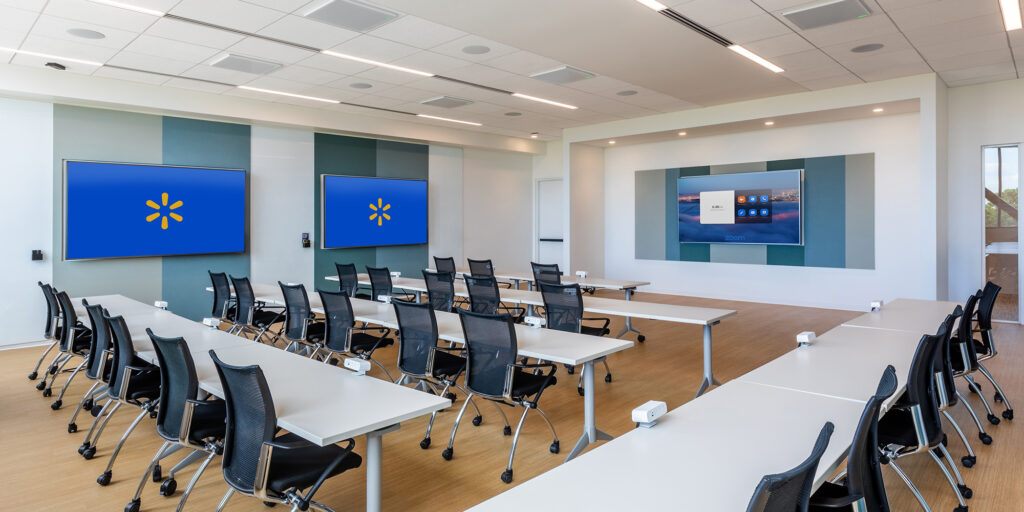
When organizations evaluate new display technology, one of the most common questions is the difference between commercial and consumer displays. At first glance, consumer televisions may appear to offer similar performance at a lower cost. However, once displays are deployed, differences in durability, brightness, thermal design, warranty coverage, and manageability become significant. These differences directly impact performance, reliability, and long-term cost of ownership.
Understanding the distinction between commercial and consumer displays is essential for IT leaders, facilities managers, and procurement teams responsible for building scalable, reliable audiovisual systems. Ford AV helps organizations design and integrate professional display solutions engineered for enterprise environments.
Commercial vs Consumer Displays: What’s the Real Difference?
The difference between commercial display vs consumer TV begins with how each product is engineered and the environment it is designed to support. Consumer televisions are built for home entertainment use, typically operating a few hours per day in controlled lighting conditions. Commercial displays, on the other hand, are designed specifically for continuous or extended operation in professional environments where uptime, visibility, and reliability are critical.
A professional display for business environments is engineered with higher-grade components, improved thermal management systems, and enhanced brightness levels to ensure visibility in conference rooms, storefronts, lobbies, and public spaces. These displays are also designed to support commercial mounting configurations, including portrait orientation and video wall installations.
Duty Cycle and Display Reliability in Enterprise Environments
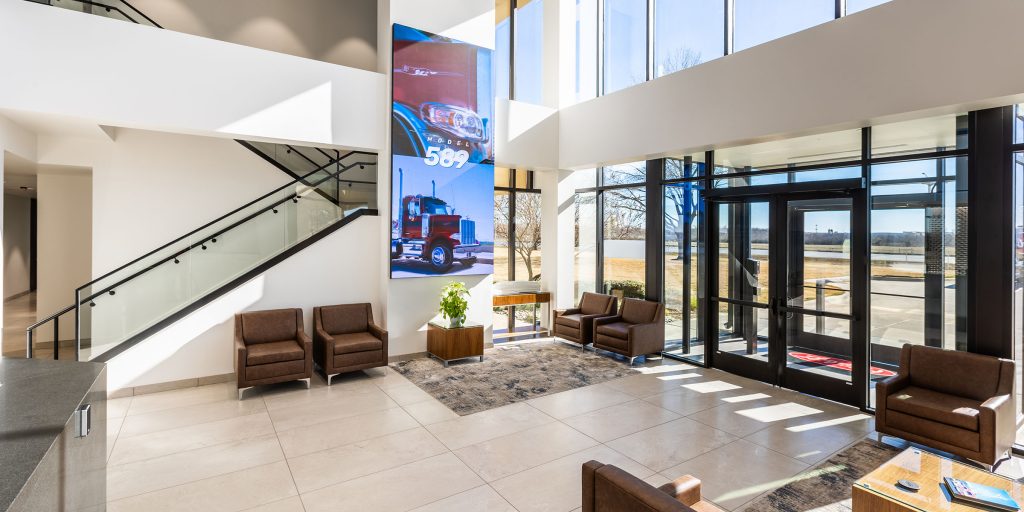
One important distinction in commercial vs residential AV equipment is duty cycle rating. Commercial displays are commonly rated for 16/7 or 24/7 operation, meaning they are designed to run 16 to 24 hours per day without performance degradation. Consumer TVs are typically rated for 6–8 hours of daily use. When consumer-grade displays are used in extended runtime environments, they experience faster backlight wear, increased risk of image retention, and premature failure.
For organizations deploying commercial-grade displays for digital signage, this difference is critical. Digital signage systems often run continuously in retail stores, airports, healthcare facilities, and corporate environments where downtime is not acceptable.
Brightness, Image Performance, and Visibility for Displays
Another key factor in the commercial vs consumer displays comparison is brightness and optical performance. Commercial displays are engineered with higher brightness output to ensure content remains visible in high-ambient-light environments such as glass-walled conference rooms, atriums, or storefront windows. Many models also include anti-glare coatings that improve readability under challenging lighting conditions.
Consumer TVs are optimized for dim or controlled home environments, which can result in washed-out images or poor visibility in business settings. This becomes especially problematic in signage or presentation environments where clarity and readability are essential.
Display Thermal Design and Long-Term Operation
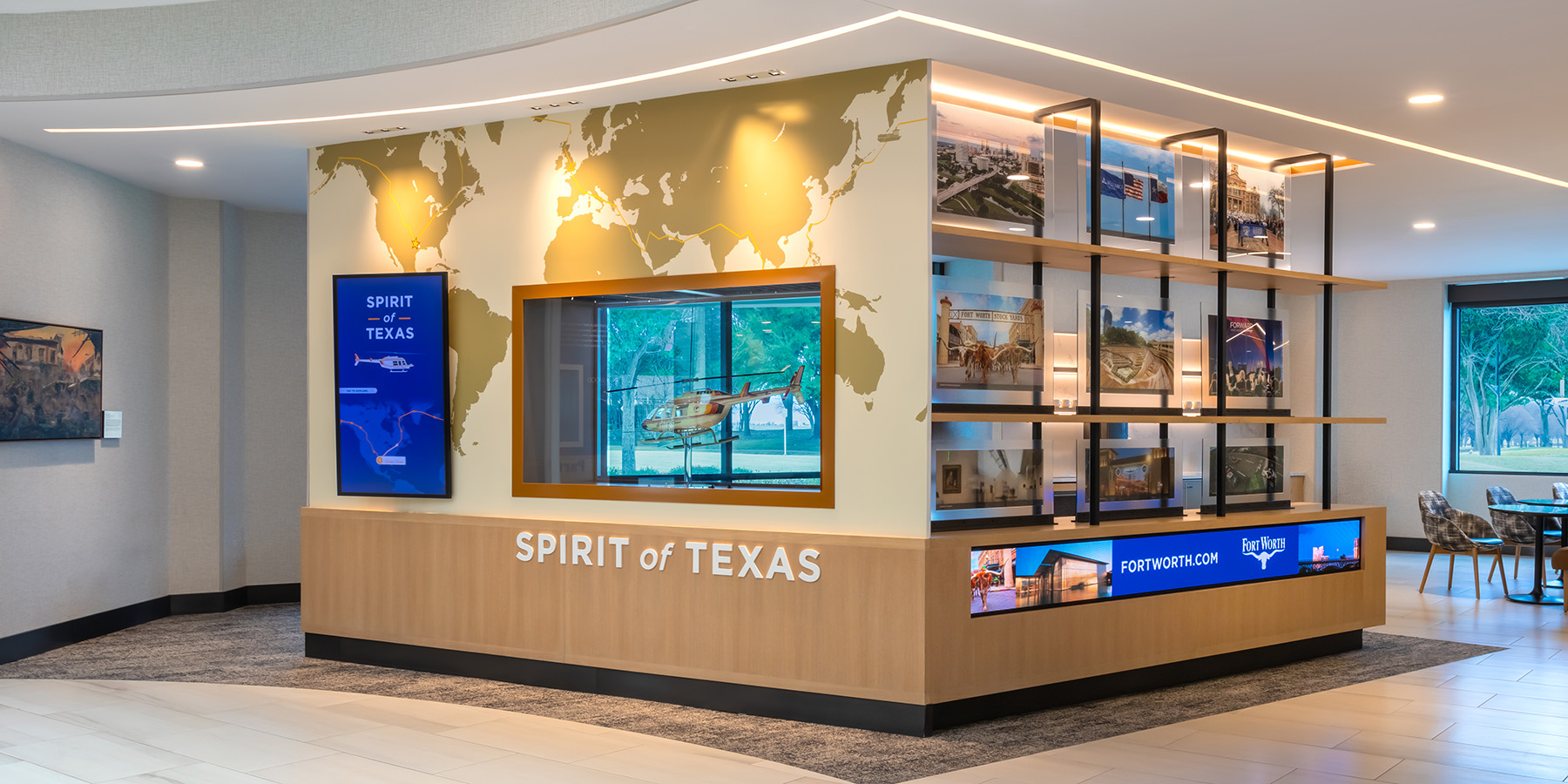
Thermal management is another major differentiator in professional display for business environments. Commercial displays are designed with advanced cooling systems that allow them to operate continuously without overheating. This includes industrial-grade internal components and chassis designs optimized for airflow and heat dissipation. For enterprise deployments, thermal design directly impacts system reliability and lifecycle cost.
In contrast, consumer TVs are not engineered for prolonged runtime and may overheat when used outside their intended operating conditions. Over time, this can lead to reduced lifespan, performance instability, and higher replacement frequency.
Remote Management and Enterprise Control
Modern enterprise display solutions are increasingly integrated into networked AV and IT environments. Commercial displays often include built-in tools for remote monitoring, centralized control, firmware updates, and content management integration.
This allows IT teams to manage displays across multiple locations without requiring on-site intervention. In contrast, consumer TVs typically lack these capabilities, making them difficult to manage at scale. For organizations deploying hundreds of displays across campuses, hospitals, or retail locations, remote management becomes a critical operational requirement rather than a convenience feature.
Total Cost of Ownership: Why a Commercial Display Wins Long-Term
While consumer TVs may appear more cost-effective initially, the commercial display total cost of ownership vs consumer TV comparison often tells a different story. Consumer displays typically require more frequent replacement when used in commercial environments due to shorter lifespans, lack of continuous-duty ratings, and limited warranty coverage. Commercial displays, while more expensive upfront, are engineered for longer lifecycle performance and reduced maintenance requirements.
When factoring in replacement cycles, downtime risk, IT support costs, and operational disruption, commercial displays often prove more cost-efficient over a 3–5 year period.
Why Professional Integration Matters
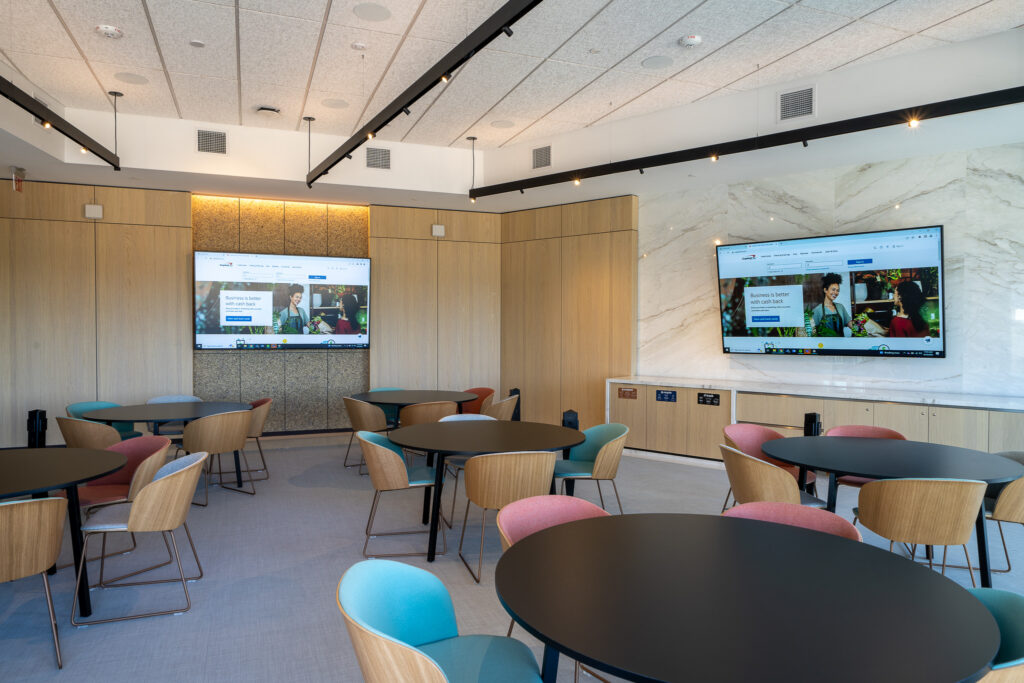
Selecting the right display is only part of the equation. Proper installation, configuration, and system integration are equally important to long-term performance. Ford AV helps organizations specify and deploy commercial-grade displays for digital signage and enterprise environments by aligning display selection with room design, content strategy, network infrastructure, and operational requirements. This ensures display systems perform reliably and scale effectively over time.
Display Frequently Asked Questions
What is the difference between a commercial display and a consumer TV?
Commercial displays are purpose-engineered for business environments with higher brightness, longer duty cycles, remote management capabilities, and industrial-grade thermal design. Consumer TVs are designed for limited daily use in residential settings.
Can I use a consumer TV for digital signage in my business?
Consumer TVs are not designed for continuous operation. Running them for extended hours can shorten lifespan, cause image retention, and void warranties. Commercial displays are recommended for any signage application exceeding 8 hours per day.
Why are commercial displays more expensive than consumer TVs?
Commercial displays use higher-grade components, offer longer warranties, support 24/7 operation, and include enterprise management features. Over time, they typically reduce total cost of ownership due to fewer replacements and lower maintenance requirements.
What commercial display features matter most for enterprise environments?
Key features include 16/7 or 24/7 duty cycle ratings, high brightness, anti-glare coating, portrait orientation support, remote management tools, and compatibility with professional AV control systems.
Partner with a Trusted Commercial Display Integration Expert
- 50+ Years of Experience – Designing and integrating professional audiovisual systems, including commercial displays for enterprise, education, healthcare, and public sector environments.
- Commercial Display Solutions Expertise – Ford AV helps organizations select and deploy display systems optimized for reliability, visibility, and long-term performance.
- Integrated AV System Design – Displays are engineered as part of a complete ecosystem including video distribution, control systems, networking, and content management.
- Scalable Enterprise Deployments – From single conference rooms to nationwide digital signage networks, systems are designed for consistency and manageability.
- Managed AV Services and Support – Ongoing monitoring, maintenance, and support ensure display systems continue performing at peak efficiency.
Ready to evaluate the right display solution for your organization?