
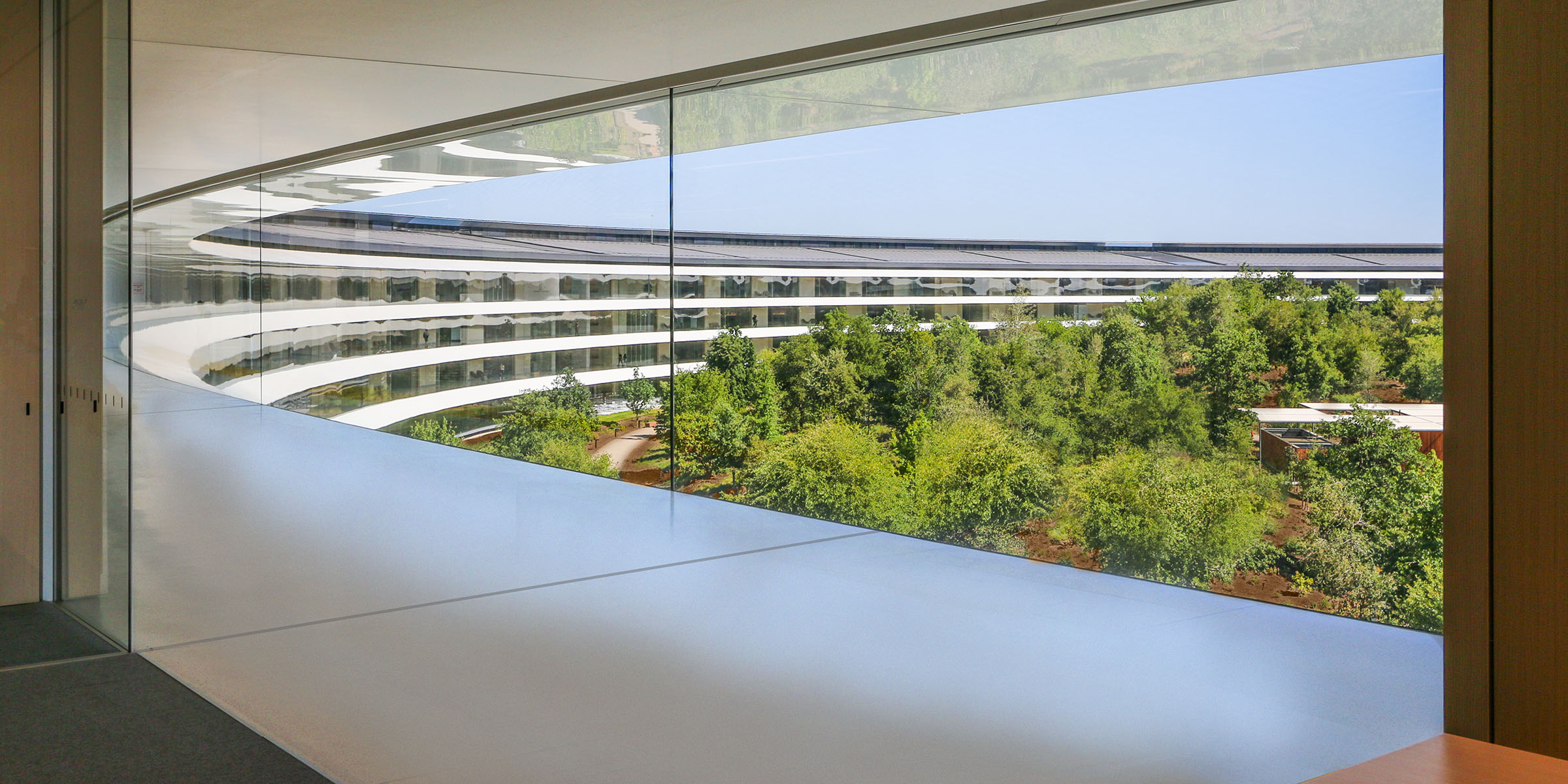
As greater emphasis is placed on sustainability, green AV solutions are becoming an essential part of modern facility design. AV systems are no longer evaluated solely on performance; they are also measured by their energy use, lifecycle impact, and long-term efficiency.
By implementing green AV solutions, organizations can reduce energy consumption, minimize waste, and create technology environments that align with broader environmental goals without sacrificing performance or user experience.
What Are Green AV Solutions?
Green AV solutions focus on designing and deploying AV systems to reduce environmental impact and maintain high functionality. This includes everything from selecting energy-efficient equipment to designing systems that minimize unnecessary power usage and extend the lifecycle of technology investments.
Modern sustainable AV systems are built with efficiency in mind from the start. Organizations benefit from thoughtful planning that considers how systems will be used, maintained, and upgraded over time. This approach ensures AV infrastructure supports both operational needs and sustainability initiatives.
Designing Sustainable AV Systems from the Ground Up
Effective sustainability starts with intentional energy-efficient AV design. Instead of treating sustainability as an add-on, it must be integrated into the system architecture itself.
This includes selecting low-power AV technology that delivers high performance while consuming less energy, as well as designing systems that automatically power down when not in use. Occupancy sensors, scheduling platforms, and intelligent control systems all help reduce unnecessary energy consumption.
Equally important is scalability. A well-designed, eco-friendly AV infrastructure allows organizations to expand or upgrade systems without replacing entire components. This reduces electronic waste and ensures investments remain valuable over time.
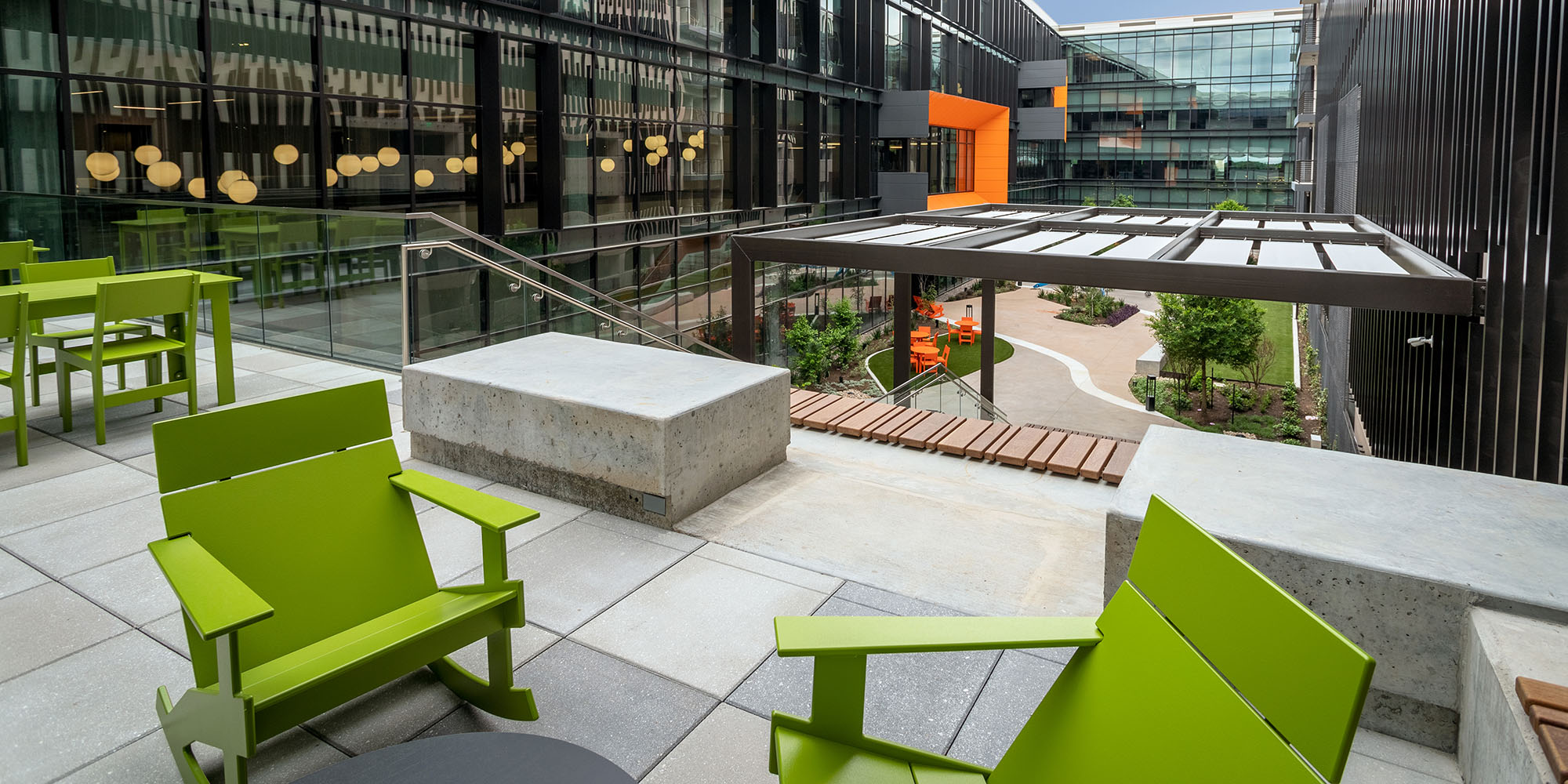
Reducing Energy Consumption Through Smart Integration
One of the most effective ways to improve sustainability is through system integration. By connecting AV technology with building automation platforms, organizations can better manage how and when systems are used. AV systems can be programmed to turn off automatically when rooms are unoccupied or to adjust performance levels based on real-time needs. This level of control significantly reduces energy waste while maintaining a positive user experience.
In larger environments, centralized management platforms provide visibility into system performance across multiple spaces. This allows facility teams to monitor usage patterns, identify inefficiencies, and make data-driven decisions that further optimize energy consumption.
Sustainable AV Infrastructure for Large-Scale Environments
Sustainable AV infrastructure for large campuses requires a strategic approach that balances performance, consistency, and efficiency across diverse environments. Standardizing technology across spaces helps reduce complexity while ensuring systems operate efficiently at scale.
Centralized control systems allow teams to manage and optimize performance from a single location. This approach not only reduces energy use but also simplifies maintenance and support, helping organizations maintain sustainable operations.
Green AV Solutions for Corporate Offices
Green AV solutions for corporate offices support both sustainability goals and employee experience. Meeting rooms, collaboration spaces, and shared environments are often used throughout the day, making energy efficiency a key consideration.
By implementing sustainable audiovisual solutions, systems are only active when needed, reducing unnecessary power consumption. Automated controls also simplify the user experience, allowing employees to focus on collaboration rather than managing technology. Over time, these efficiencies reduce operating costs while supporting corporate sustainability initiatives.
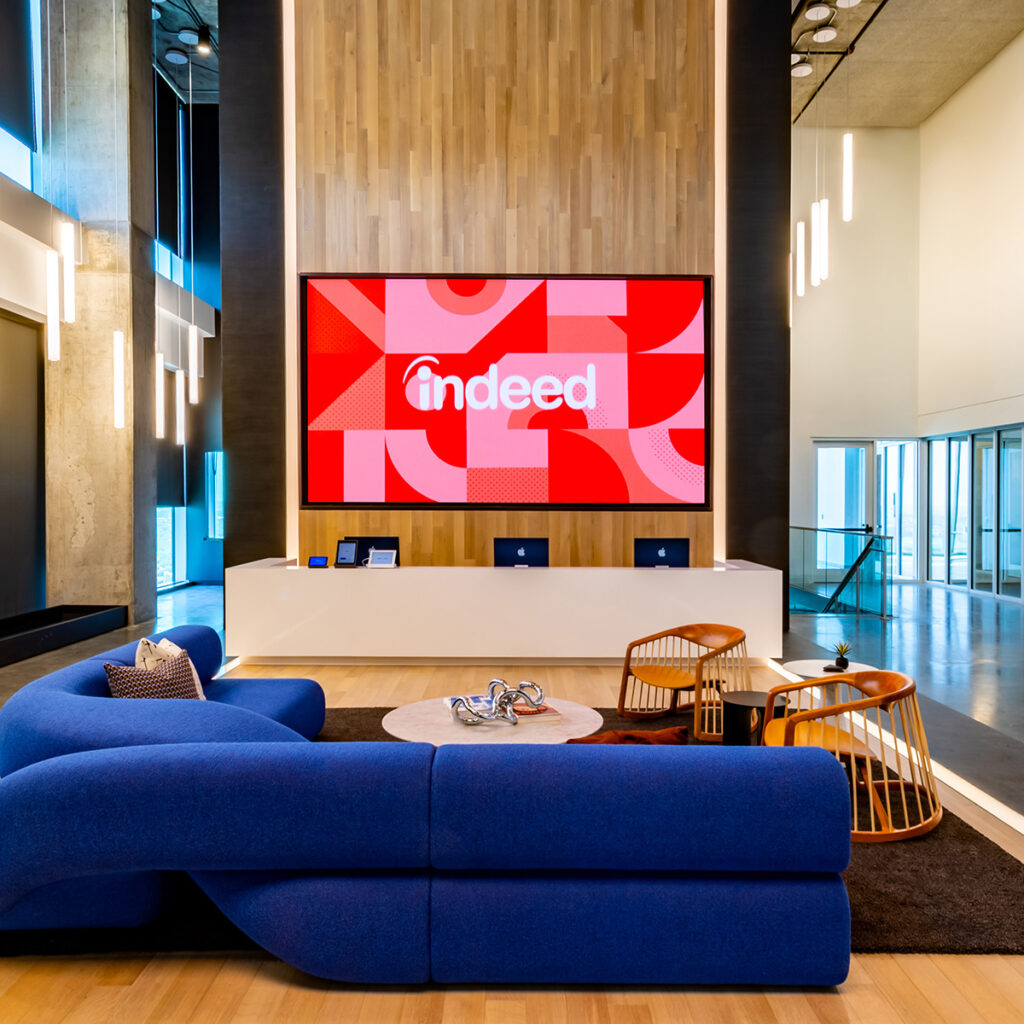
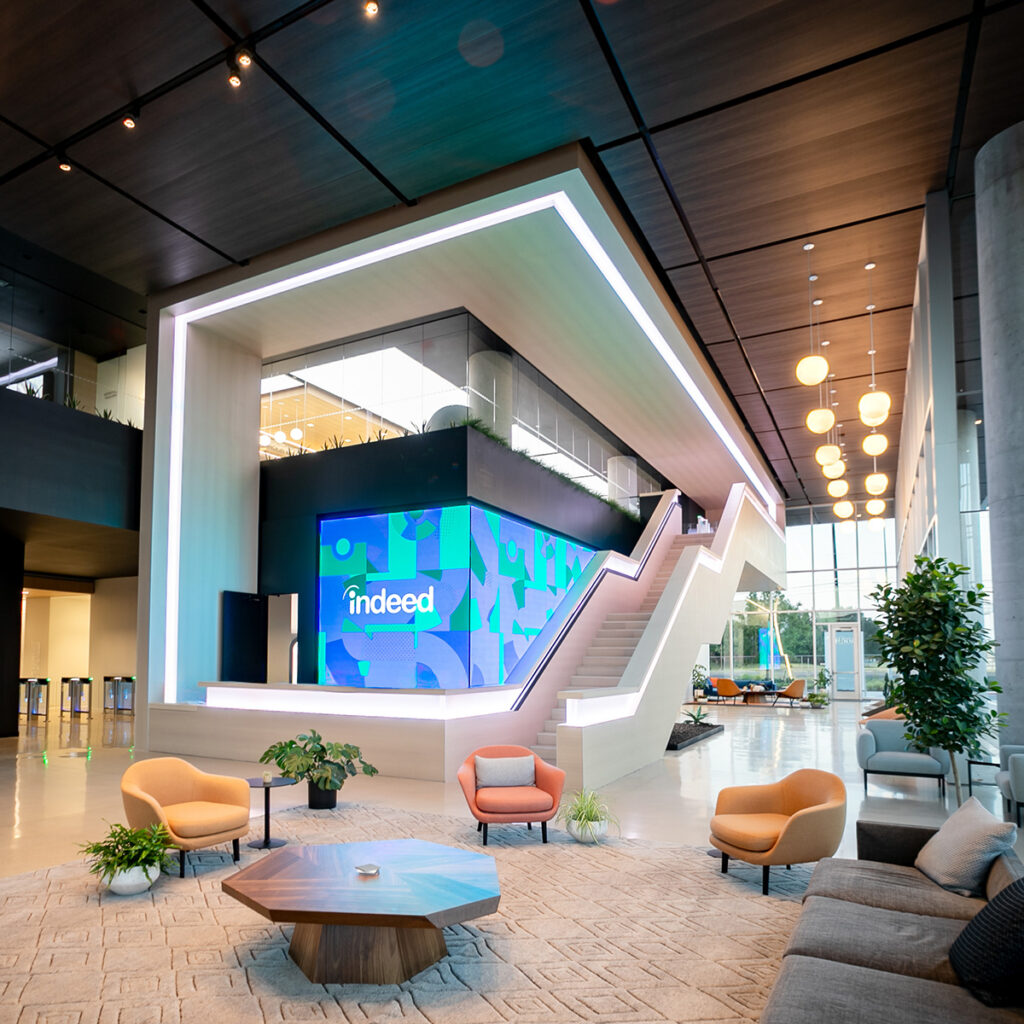
Extending Equipment Lifecycles and Reducing Waste
Sustainability is not just about energy use. One impactful strategy is reducing waste by extending the lifecycle of AV equipment through thoughtful planning and system design. Rather than replacing entire systems when technology evolves, organizations can upgrade specific components within a scalable framework.
Additionally, selecting durable, high-quality components helps the systems remain reliable over time, further supporting long-term sustainability goals. This approach minimizes electronic waste and reduces the environmental impact of frequent replacements.
Why Organizations Choose Ford AV
With decades of experience in AV integration, Ford AV helps organizations design and deploy green AV solutions that balance performance, efficiency, and long-term value.
By focusing on energy-efficient AV design, scalable infrastructure, and intelligent system integration, Ford AV delivers solutions that reduce environmental impact while supporting the evolving needs of modern facilities.
Sustainable AV Frequently Asked Questions
What are green AV solutions?
Green AV solutions refer to audiovisual system designs that prioritize energy efficiency, reduced environmental impact, and sustainable equipment lifecycle planning across AV infrastructure.
How can AV systems be made more energy efficient?
AV systems can be optimized through low-power devices, occupancy-based automation, scheduling systems, efficient signal routing, and centralized power management controls.
What makes an AV system sustainable?
A sustainable AV system reduces energy consumption, minimizes equipment waste through lifecycle planning, uses scalable architecture to avoid unnecessary replacements, and supports efficient system upgrades.
Are green AV solutions more expensive to implement?
Initial costs may vary depending on system design, but sustainable AV solutions often reduce long-term operating costs through lower energy use, fewer replacements, and improved system efficiency.
Can existing AV systems be upgraded to be more sustainable?
Yes. Many existing systems can be retrofitted with energy-efficient components, smarter control systems, and automation features to improve sustainability without full replacement.
- Sustainable AV Design Expertise – Designing and integrating energy-efficient AV systems that reduce environmental impact while maintaining high performance.
- Energy-Efficient, Future-Ready Infrastructure – Leveraging low-power AV technology, smart automation, and scalable system design to reduce energy consumption and extend equipment lifecycles.
- Smart Integration for Lower Energy Use – Connecting AV systems with building automation and centralized control platforms to optimize usage, eliminate waste, and improve efficiency.
- Sustainable Solutions for Every Environment – From corporate offices and higher education campuses to large multi-building facilities, delivering eco-friendly AV infrastructure tailored to each organization’s needs.
- Proven Commitment to Long-Term Value – Helping organizations reduce electronic waste, lower operating costs, and build AV ecosystems designed for long-term sustainability.
Ready to build a more sustainable AV environment with Ford AV?