
Transforming AV Through AI
Artificial intelligence is rapidly changing how organizations use audiovisual technology. From conference rooms and control centers to campuses and public venues, AI is transforming AV systems from passive equipment into intelligent tools that support communication, security, and decision-making.
Ford AV designs and deploys AI-enabled AV systems that analyze video, interpret audio, automate meeting spaces, and provide operational insights, including AI-assisted security systems and AI-enhanced meeting rooms. These technologies help organizations improve collaboration, strengthen security, and manage facilities more efficiently.
Benefits of AI Integration

Smarter Meeting Experiences
Automatically frame speakers, track presenters, and reduce background noise.

Improved Security
& Awareness
Detect unusual activity, identify objects or individuals, and alert security teams in real time.

Automated System Operation
Automate tasks such as camera switching, room configuration, and equipment management.

Data-Driven
Insights
Measure room usage, attendance patterns, and occupancy levels.

Increased
Productivity
Reduce administrative workload for teams to focus on collaboration & decision making.
Applications of AI in Video Technology
Video technology is one of the fastest growing areas of AI integration in AV environments. AI-enabled cameras use computer vision to analyze scenes in real time.
The Oculus
The Oculus, a direct-view LED display in the international terminal at George Bush Intercontinental Airport, uses AI-driven tracking technology to sense passenger movement beneath the display, allowing content to respond in real time as people pass through the space. It transforms the display into an interactive experience that engages travelers and helps make the airport more than just a point of connection.
AI in Conference Rooms
These systems can identify people, track movement, and adjust camera framing automatically. In conferencing environments, AI cameras can automatically adjust the video layout as people enter or leave the room, ensuring that all participants remain visible during meetings. These technologies are commonly deployed in:
Common AI-powered enhancement tools include:
- Auto framing Cameras to keep meeting participants in view
- Presenter tracking for training and lecture environments
- Speaker detection for automated camera switching
- Facial recognition for security or attendance monitoring
- Video analytics for occupancy or crowd monitoring
Applications of AI in Audio Technology
Artificial intelligence also plays a growing role in professional audio systems.
AI in Sound Systems
Modern AV systems use AI-assisted audio processing to improve speech clarity and reduce unwanted noise. These features are integrated in AI-enhanced meeting environments to enhance hybrid collaboration.
Key AI audio capabilities include:
- Intelligent noise suppression
- Beamforming microphone arrays that isolate voices
- Automatic gain control and speech optimization
- Speaker tracking integrated with video systems
Beamforming microphones use multi-microphone arrays and signal processing to isolate the active speaker while minimizing background noise. These technologies are especially valuable in:
Applications of AI in Security and Surveillance
AI is also transforming modern security systems. Traditional surveillance required security personnel to manually monitor video feeds.
AI in Security Systems
AI-enabled systems can now analyze video streams automatically to detect events or threats.
Examples of AI security analytics include:
- Object detection and classification
- Facial recognition
- License plate recognition
- Unattended object alerts
- Unusual activity detection
- Crowd monitoring
AI video analytics and video surveillance systems can automatically identify suspicious activity and notify security personnel immediately, improving response time and overall safety. Ford AV integrates these capabilities into security operations centers, hospitals, university campuses, airports, and government facilities.
Applications of AI in Control and Automation Systems
AI integration also extends to AV control and automation platforms.
AI in Control Systems
Intelligent control systems can analyze user behavior and automate routine tasks.
Control Systems with AI integration examples include:
- Turning on displays when a room is occupied
- Adjusting camera presets during meetings
- Managing lighting and audio levels
- Scheduling system shutdowns after meetings
These automated workflows reduce system complexity for users and improve the reliability of meeting environments.
Featured Projects Incorporating AI Technologies
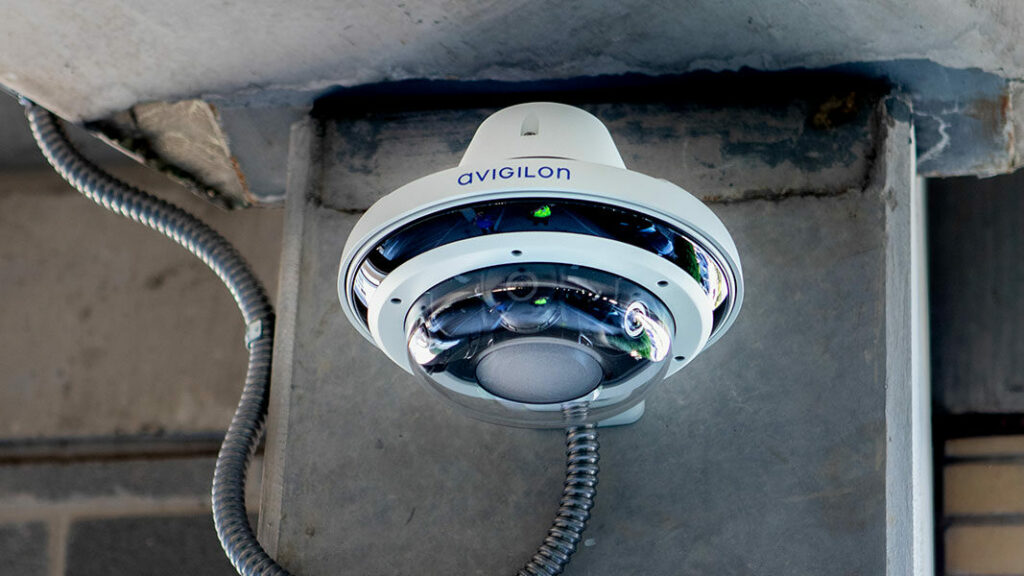
City of Southlake
Southlake, Texas
Ford AV deployed over ninety networked AI-enabled multisensor cameras at the Southlake Town Hall Square parking garage, providing intelligent video analytics for enhanced security…Project Profile

Indeed
Global Partnership
Ford AV deployed AI-enabled conferencing and collaboration systems across Indeed’s global offices, improving hybrid meetings, analytics, and workplace communication…Project Profile
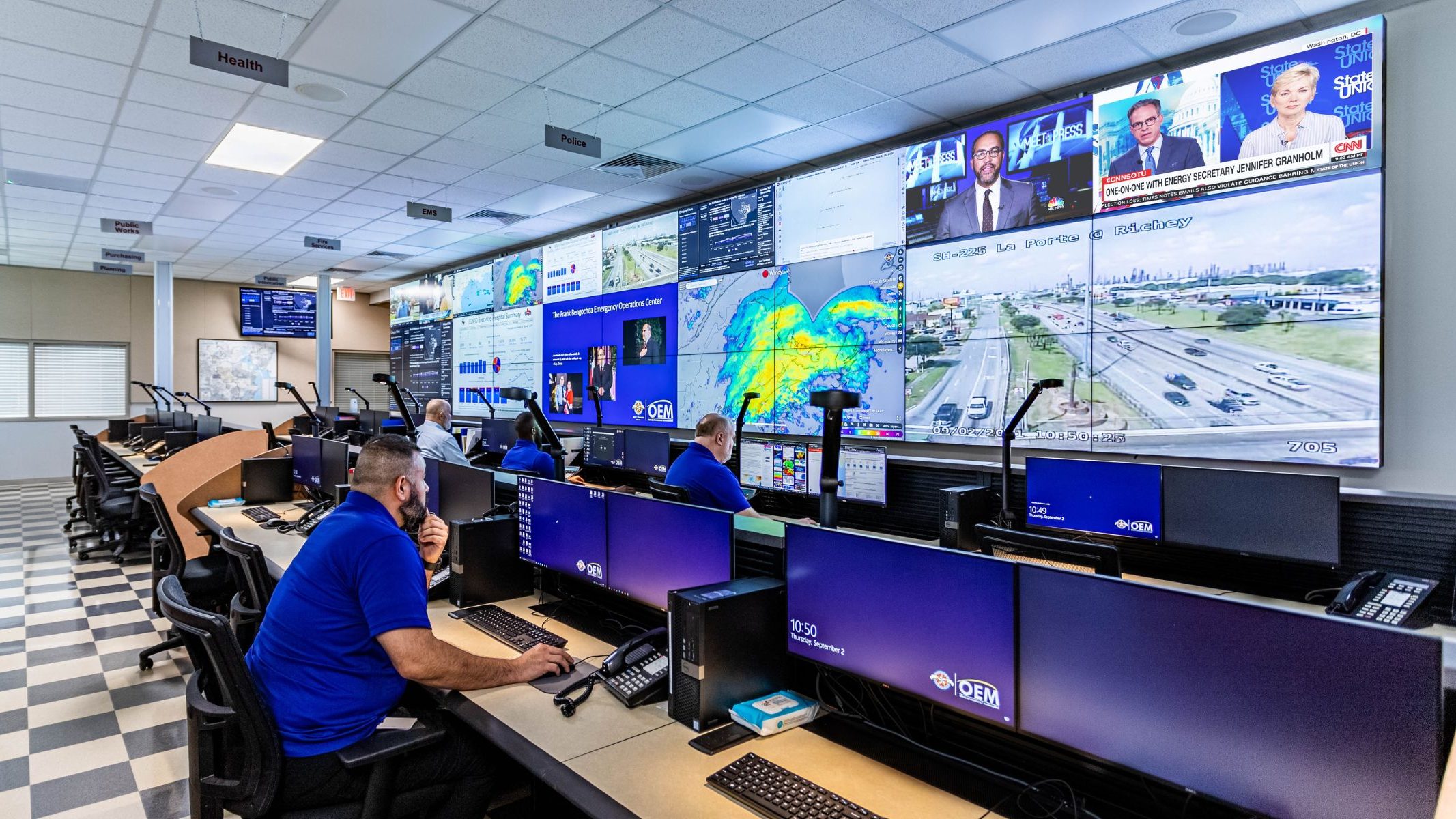
City of Pasadena
Pasadena, Texas
Ford AV deployed AI-enabled drone surveillance and intelligent AV systems at Pasadena Emergency Operations Center to support intelligent monitoring and real‑time operational awareness…Project Profile
Ford AV Locations
Frequently Asked Questions
What is AI integration in audiovisual systems?
How is AI used in conference room technology?
What AI technologies are available for classrooms and lecture capture systems?
How does AI integration enhance security and operational awareness in government AV systems?
Can AI integration improve AV systems in healthcare environments?
How is AI used in large-scale transportation AV systems?
Let’s Upgrade Your AV with AI
Ford AV combines decades of audiovisual integration experience with modern AI technologies to design systems that improve communication, security, and operational awareness.
Partner with America’s Leading AV Technology Company
50+ Years of Experience – Designing and integrating AV technology across corporate, education, healthcare, and government environments.
Nationwide Services – With offices and service teams across the country, Ford AV supports large-scale technology deployments for enterprise organizations.
Engineering-Driven System Design – Every system is designed by experienced engineers who understand the interaction between AV infrastructure, networks, and software platforms.
Integration with Existing Technology – We integrate AI capabilities into existing AV and IT infrastructure, helping organizations adopt new technology without equipment replacements.
Long-Term Technology Support – From system design and installation to monitoring and maintenance, Ford AV supports AI-enabled AV systems throughout their lifecycle.
Interested in bringing AI-powered AV technology into your organization?