
Higher education AV technology is reshaping how colleges and universities deliver instruction, collaborate, and engage students. Institutions are balancing in-person, hybrid, and remote learning experiences that demand flexibility and reliability from their technology environments. Modern AV solutions now play a central role in supporting these experiences across classrooms, lecture halls, and campus collaboration spaces.
From active learning environments to large-scale campus deployments, AV solutions for universities are no longer isolated upgrades. They are strategic investments that support student success, faculty effectiveness, and institutional scalability. When designed thoughtfully, higher education AV technology creates consistent, engaging learning experiences while giving institutions the flexibility to adapt.
AV Technology In Higher Education
Understanding how AV technology is transforming higher education starts with recognizing how learning expectations have changed. Today’s students expect interactive, technology-enabled classrooms that support collaboration and participation. Faculty need systems that are intuitive, reliable, and adaptable to different teaching styles without adding complexity to their workflows.
Modern higher education AV technology enables universities to support hybrid learning models, interactive instruction, and long-term scalability. Rather than focusing on individual devices, institutions are rethinking how AV systems work together to create cohesive learning environments that support both instructional goals and operational efficiency.
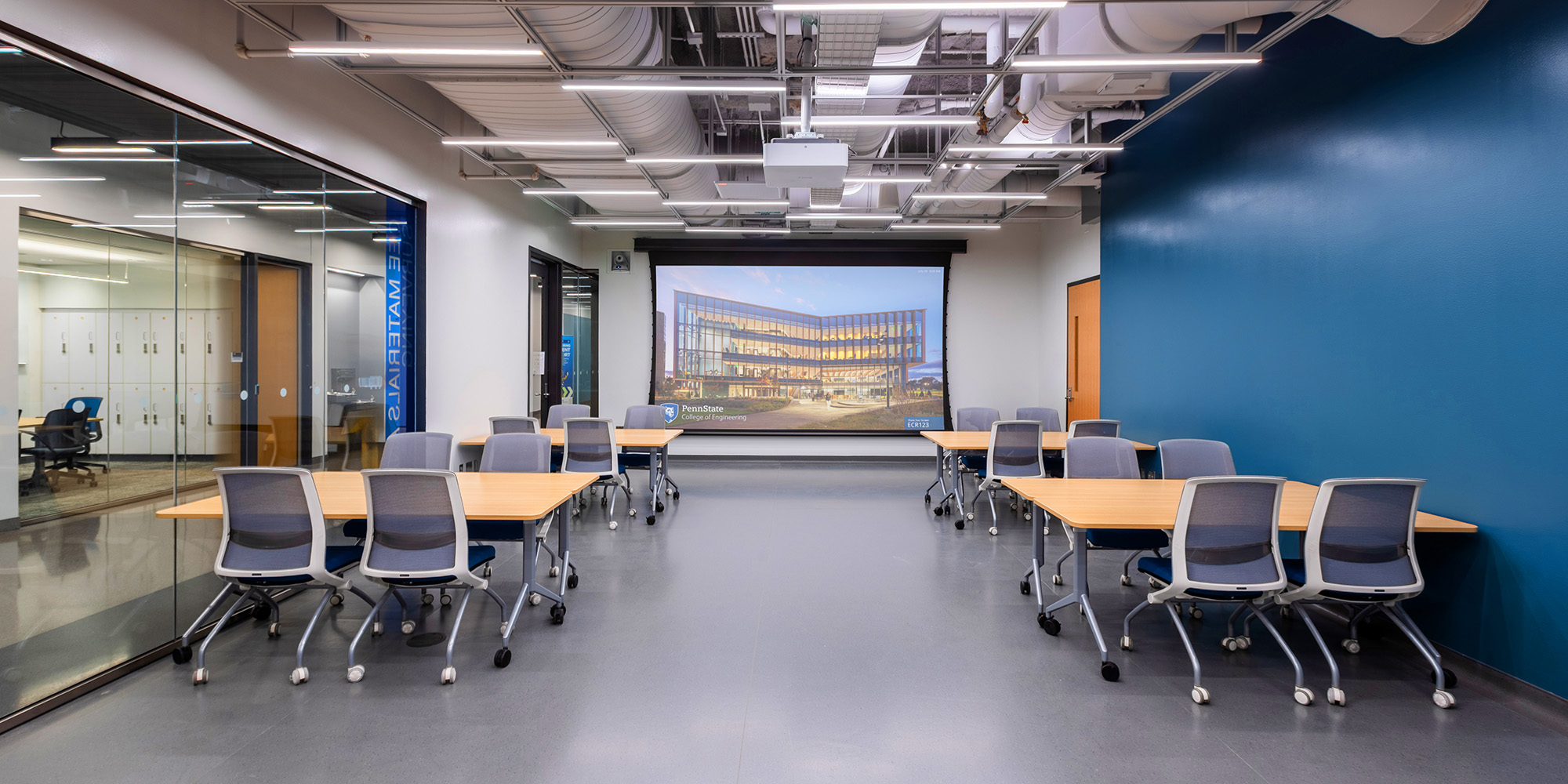
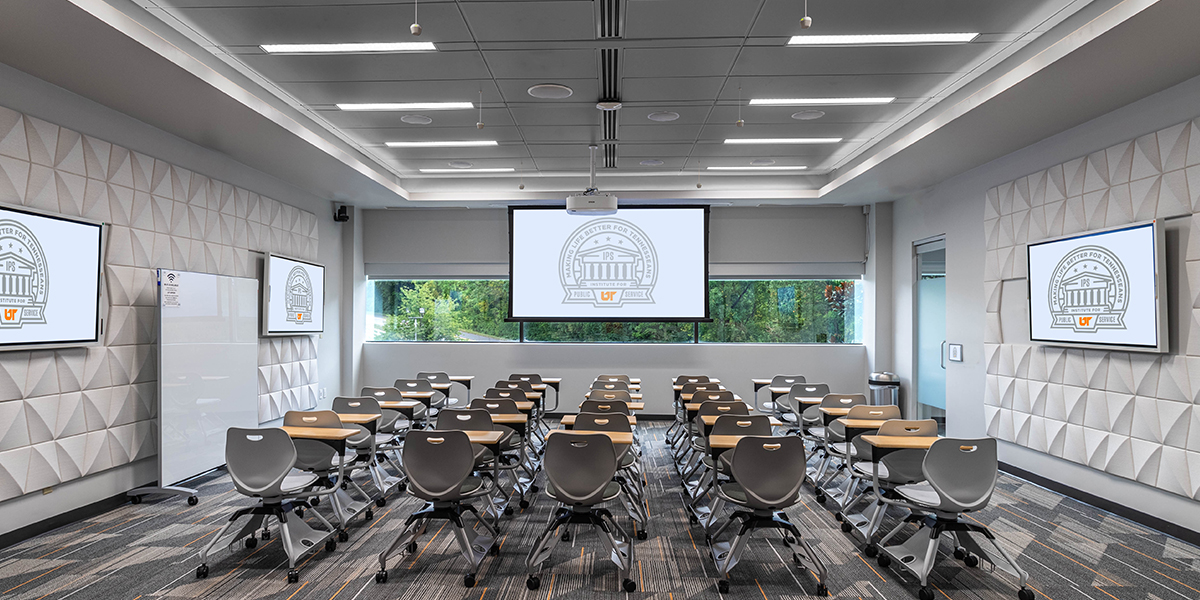
Classroom AV technology supports a wide range of instructional approaches, from traditional lectures to active learning and group collaboration. Active learning classrooms, in particular, benefit from flexible AV systems that allow instructors and students to easily share content, collaborate in small groups, and engage dynamically with course material.
Educational audio video solutions typically include interactive displays or projection systems, wireless content sharing, and integrated audio that ensures every voice in the room is clearly heard. Lecture capture and recording technologies also allow institutions to extend learning beyond the classroom, giving students access to recorded content and supporting more flexible learning schedules. When classroom AV technology is designed with ease of use in mind, it reduces technical barriers and allows instructors to focus on teaching rather than managing technology.
Hybrid Learning AV Systems That Support Engagement
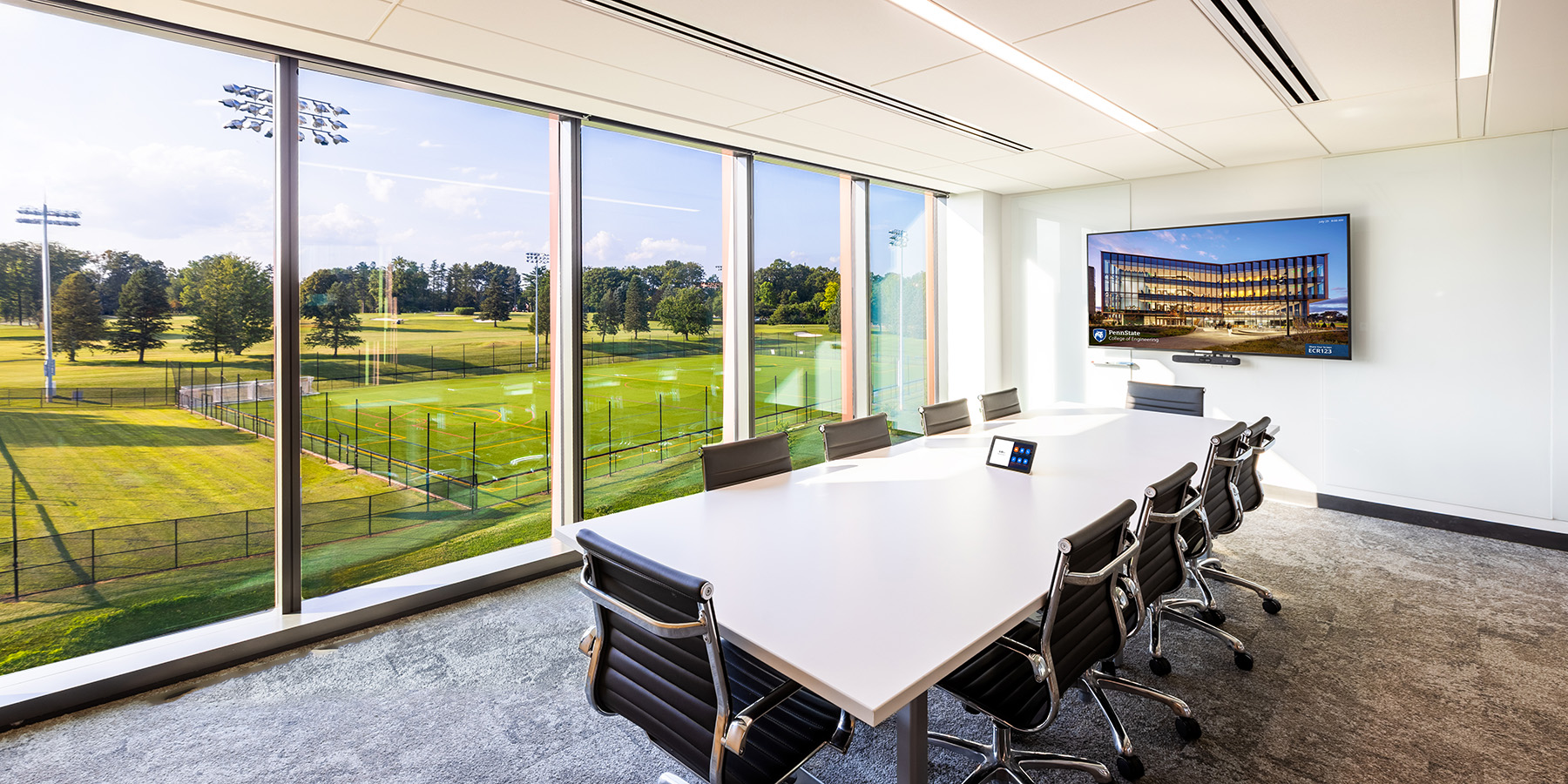
Hybrid learning has become a permanent component of higher education, making hybrid learning AV systems essential to delivering equitable experiences. These systems must support both in-room and remote students without favoring one group over the other. Clear audio, intelligent video framing, and connectivity are critical to ensuring that all participants can engage fully in real time.
Well-designed hybrid learning environments rely on integrated microphones, cameras, and video conferencing platforms that work together as a single system. When hybrid learning AV systems are properly implemented, technology fades into the background, and students participate naturally, regardless of location. This equity-focused approach helps institutions maintain instructional quality while expanding access and flexibility.
Campus-Wide AV Integration for Consistency and Scalability
As universities expand, campus-wide AV integration becomes increasingly important. Consistency across classrooms, lecture halls, auditoriums, and collaboration spaces improves usability and simplifies both faculty training and technical support. Standardized AV environments reduce confusion and allow instructors to move between spaces with confidence.
A campus-wide AV strategy also supports scalability. Centralized management and standardized system design make it easier to deploy new spaces, upgrade technology, and maintain long-term performance. By approaching AV as an integrated ecosystem rather than individual rooms, institutions can manage costs while supporting innovation.
The Role of AV Integration Partners in Higher Education
Implementing AV systems requires more than selecting the right hardware. Experienced AV integration partners understand how to align technology with academic goals, facilities planning, and campus IT standards. This expertise is especially valuable in higher education environments, where consistency, reliability, and long-term support are critical.
Ford AV works with colleges and universities to deliver modern AV solutions for university campuses that support active learning, hybrid instruction, and campus-wide integration.
Higher Education Project Highlights
University of Texas at Arlington: Large Lecture Hall AV Technology
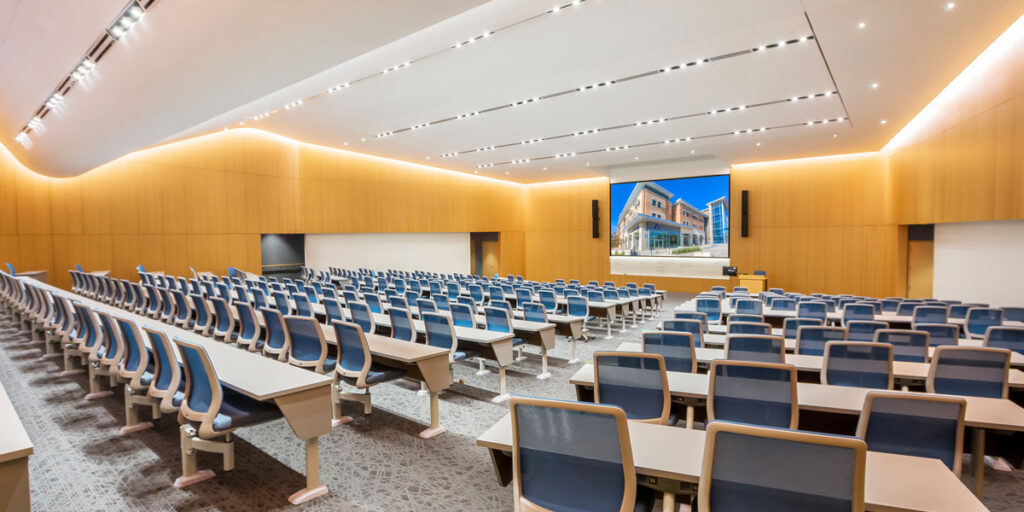
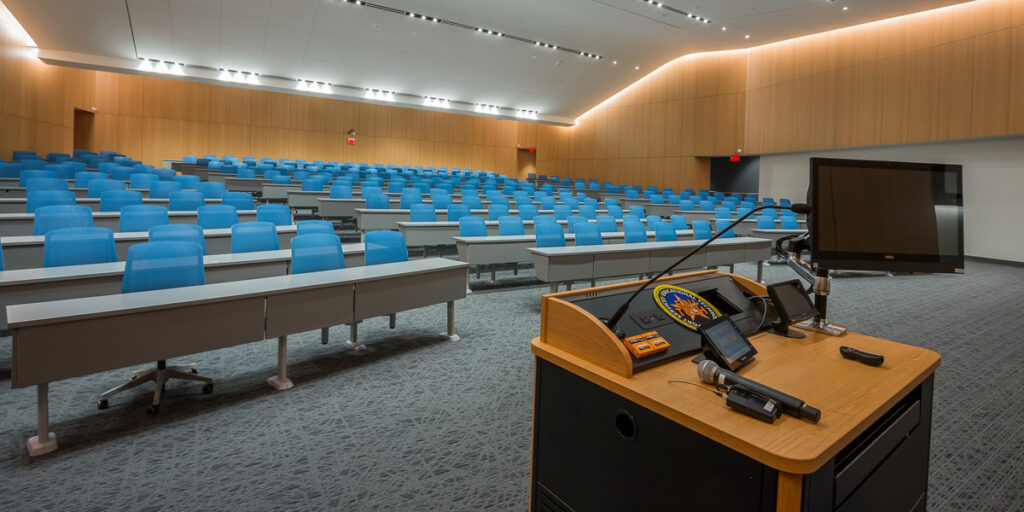
At the University of Texas at Arlington, Ford AV delivered a comprehensive higher education AV technology upgrade within the Science & Engineering Innovation & Research building, with a strong focus on large lecture hall environments. The classroom features a 19-foot-wide projection screen powered by a high-output 10,000-lumen projector, beam-steering loudspeakers for even audio coverage, wireless microphones, and confidence monitors that support clear instruction in high-capacity spaces.
NYU Langone Health: Auditorium AV Solutions for Higher Education
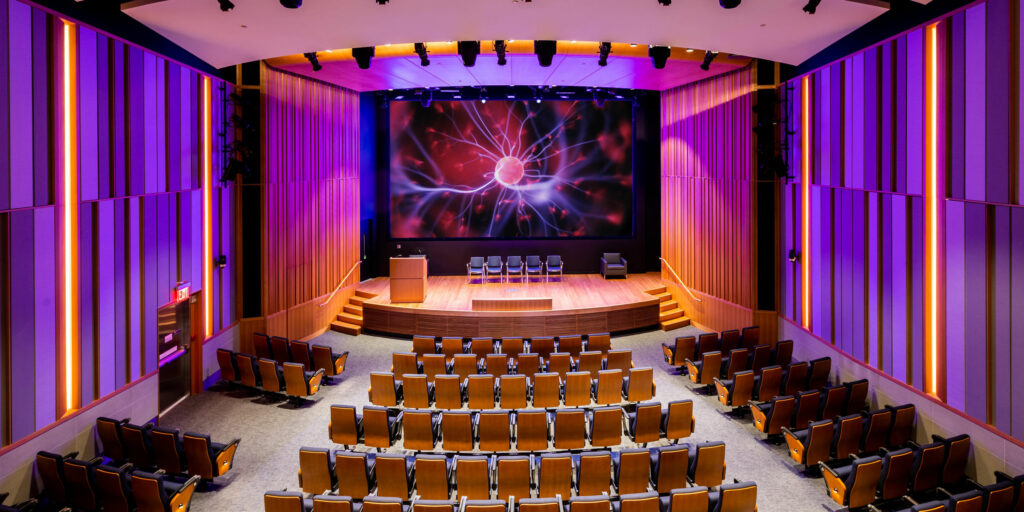
Ford AV partnered with New York University Langone Health to modernize the auditorium, delivering an advanced audiovisual environment that supports academic presentations, live events, and broadcast-quality productions. The space features a 32-foot-wide direct-view LED display, paired with a sound system that improves speech intelligibility. Robotic 4K cameras integrate with web conferencing and centralized control systems, enabling recording, streaming, and flexible event operation.
Penn State University: Classroom AV Technology and Innovation Labs
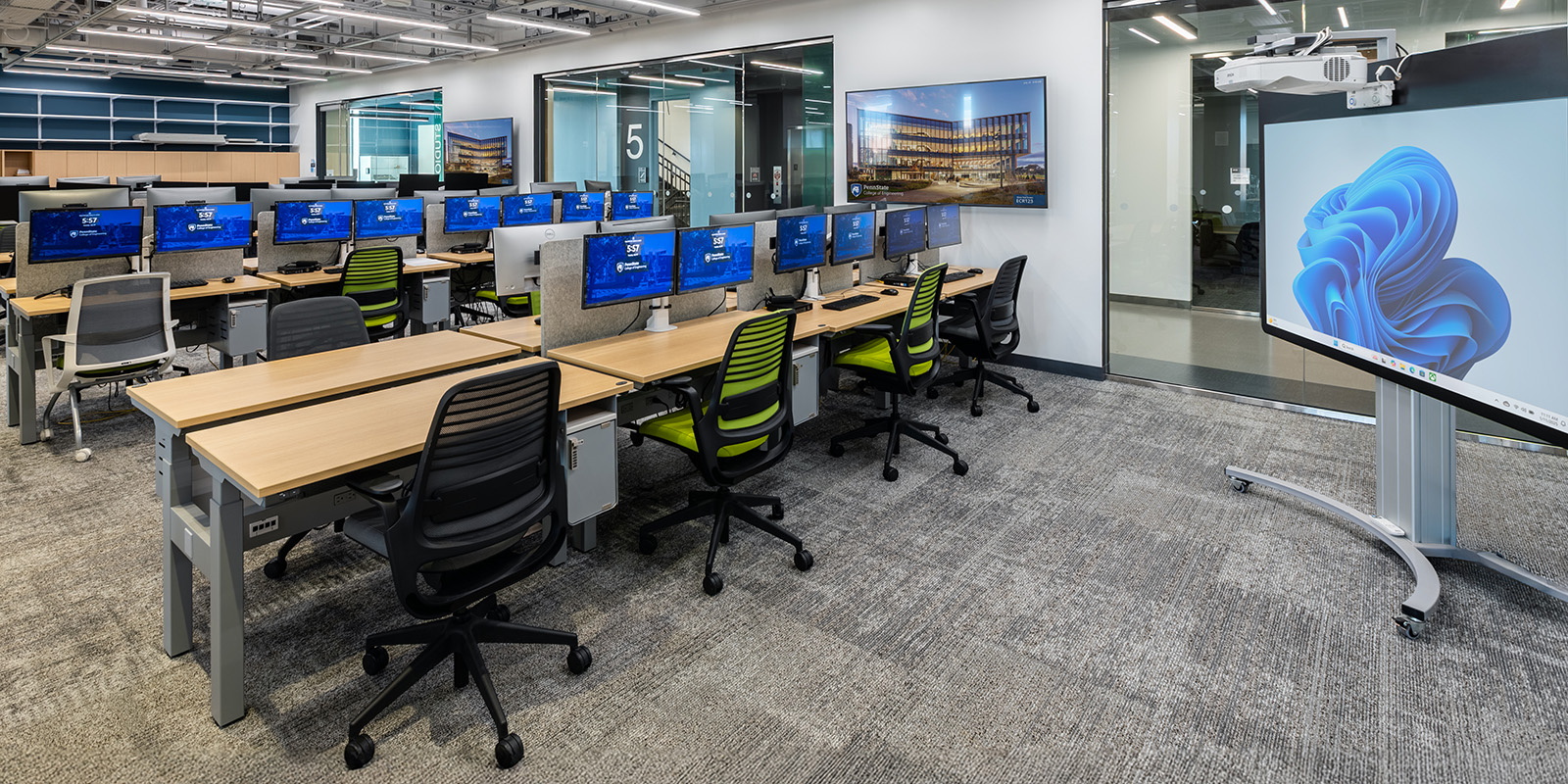
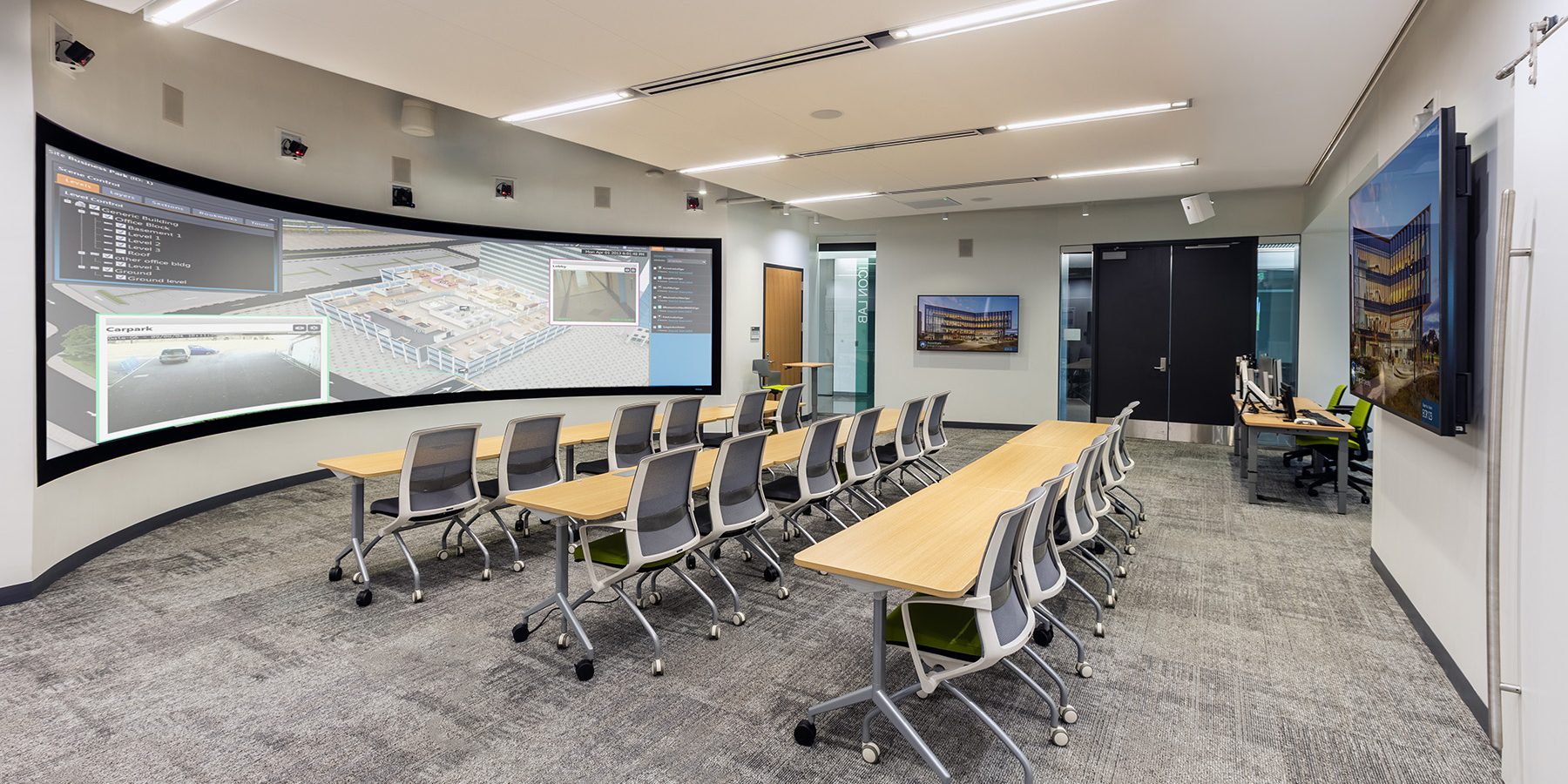
At Penn State University, Ford AV implemented scalable higher education AV technology supporting a wide range of instructional and collaborative spaces. The project also includes the ICon Lab, an advanced visualization space featuring curved rear projection with multi-projector alignment, immersive surround audio, and support for research-driven instruction. Across both buildings, campus-wide AV integration ensures reliable performance, consistent user experiences, and long-term scalability.
Education Technology Frequently Asked Questions
What AV technology is essential for modern higher education classrooms?
Essential higher education AV technology includes interactive displays, lecture capture systems, video conferencing tools, and integrated audio solutions that support both in-person and hybrid learning environments. These technologies work together to create flexible and engaging instructional spaces.
How does AV integration support hybrid learning in universities?
AV integration supports hybrid learning by combining cameras, microphones, and streaming systems into a cohesive solution that allows remote and in-room students to participate equally. Integrated systems help ensure consistent audio, video, and user experience across learning environments.
How does AV technology improve student collaboration and engagement?
Classroom AV technology improves collaboration by enabling wireless content sharing, interactive displays, and flexible systems that support group learning. These tools encourage active participation and help students engage more deeply with course material.
Why is consistent AV technology important across a university campus?
Consistent higher education AV technology reduces technical issues, improves faculty adoption, and creates a positive learning experience. Standardization allows institutions to support users more effectively while scaling technology across campus.

- 50+ Years of Higher Education AV Experience – Designing and integrating higher education AV technology for colleges and universities.
- Nationwide AV Services – Local Ford AV teams supported by a national network deliver dependable AV installation, maintenance, and ongoing support for campus environments.
- Comprehensive Campus Expertise – From classroom AV technology and hybrid learning AV systems to lecture capture, active learning environments, and campus-wide AV integration.
- Scalable, Future-Ready Solutions – Engineered for reliability, flexibility, and consistent user experiences across classrooms, lecture halls, and collaboration spaces.
- Proven Performance – Trusted by universities and higher education institutions to deliver educational audio video solutions that support learning, engagement, and long-term growth.
Ready to connect with Ford AV? Fill out the form below to enhance learning environments with expertly designed and integrated AV technology.